
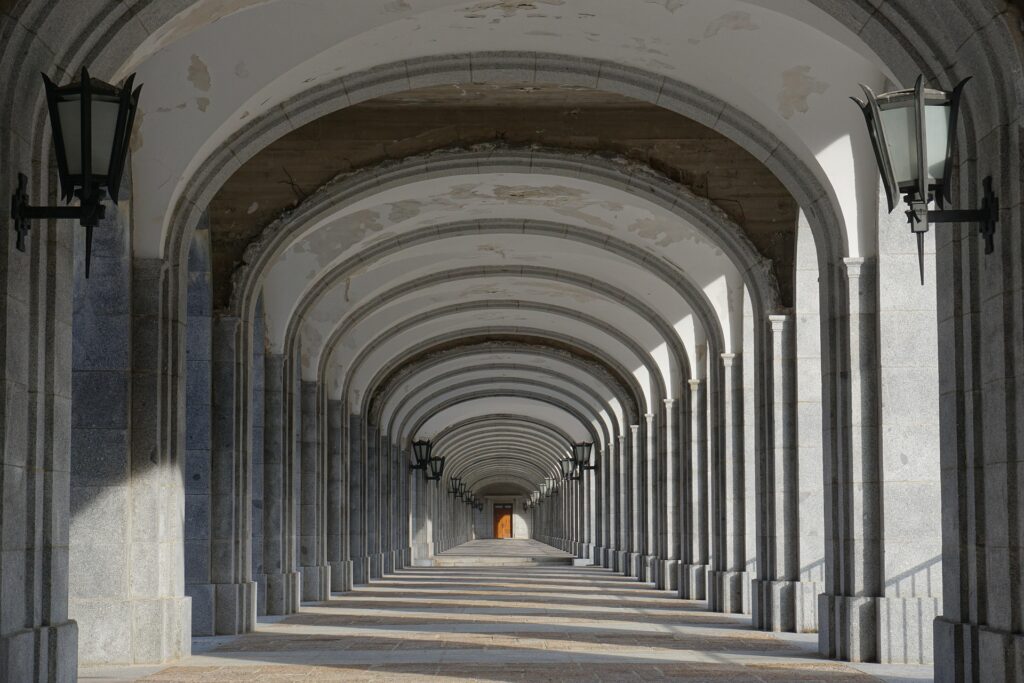
After decades in public service, retirement is often spoken of in financial or practical terms. But its deeper meaning may lie elsewhere — in identity, time, and the rediscovery of self.
Retirement in the digital age is no longer merely a withdrawal from employment. It is increasingly a philosophical transition involving identity, relevance, technology and the search for meaning in a hyperconnected world.
The Last Day of Duty: What Retirement Really Means
Retirement from government service is often described in administrative terms — superannuation, pension, closure of service records, handing over charge. Yet none of these phrases truly captures the emotional and philosophical shift that retirement represents.
For those who have spent decades within the machinery of the state, retirement is not merely the end of employment. It is the quiet dismantling of an identity built over thirty or forty years. The designation fades. The authority recedes. The office room, the files, the constant movement of institutional life — all of it suddenly belongs to the past.
And then begins a more difficult question:
Who are we when we are no longer what we did?
The Self Beyond the Designation
Government service has a peculiar way of merging the individual with the institution. Over time, the role becomes inseparable from the person. The title on the office door slowly turns into a second identity.
Retirement removes that outer layer.
What remains is not emptiness, but exposure — a return to the self that existed before the bureaucracy claimed most waking hours. In many ways, retirement becomes a philosophical rebirth. One steps away from a collective structure and confronts life again in its raw, personal form.
The Roman emperor and Stoic philosopher Marcus Aurelius once reflected on the difference between the role one plays and the person one truly is. Titles, honours, and authority are temporary garments. Eventually they are removed, and what remains is character.
Retirement is precisely that moment.
Time Reclaimed — and Time Reconsidered
For decades, time in public service is never truly one’s own. Meetings, deadlines, emergencies, transfers, court matters, and endless procedural demands divide the day into fragments.
Retirement suddenly returns ownership of time to the individual and freeing from all kind of tyrannies of servitude. This freedom is liberating, but also carries weight. When the routines disappear, many retirees discover something unsettling: it is easier to follow schedules imposed by institutions than to create meaning independently.
The philosopher Seneca observed that people often realize the value of life only when much of it has already passed. Retirement brings that realization into sharp focus — not as a tragedy, but as an opportunity.
The central question changes completely.
No longer:
“What must I do?”
But instead:
“What is truly worth doing now?”
That is a far deeper and more demanding question.
Service Without the Uniform
There is a common misconception that retirement marks the end of contribution to society. In reality, it may simply transform the nature of that contribution.
Years spent in public service leave behind something far more valuable than official authority: perspective.
Retired officers carry an understanding of systems, institutions, human behaviour, public policy, and administrative realities that younger generations often lack. Such knowledge does not disappear with retirement orders.
In fact, retirement creates the possibility of a different kind of service — mentoring, writing, teaching, community engagement, or simply becoming an example of ethical living without the compulsion of salary, promotion, or hierarchy.
During service, much energy goes into execution and administration. After retirement, one finally gains the freedom to reflect, guide, and engage more deeply with society as an independent individual.
The Silence After the Gate Closes
There is a peculiar silence on the final day of duty.
After decades of movement, urgency, and responsibility, the stillness can feel unfamiliar. Yet within that silence lies something rare: autonomy.
For perhaps the first time in many years, life becomes self-authored again.
What remains is the more difficult, more private project — the examined life that Socrates considered the only life worth living.
The files are closed.
The designation ends.
But the unfinished project of becoming fully human continues.
And perhaps, that is the real beginning.